Hands-on ever since I programmed buildings.
I'm Jan Sprenger. I started out programming buildings, literally: cables connected, plants commissioned, faults tracked down, systems brought to life. By hand. Today I build workflows, tools and AI infrastructure. The kind of system has changed. The way I work hasn't.
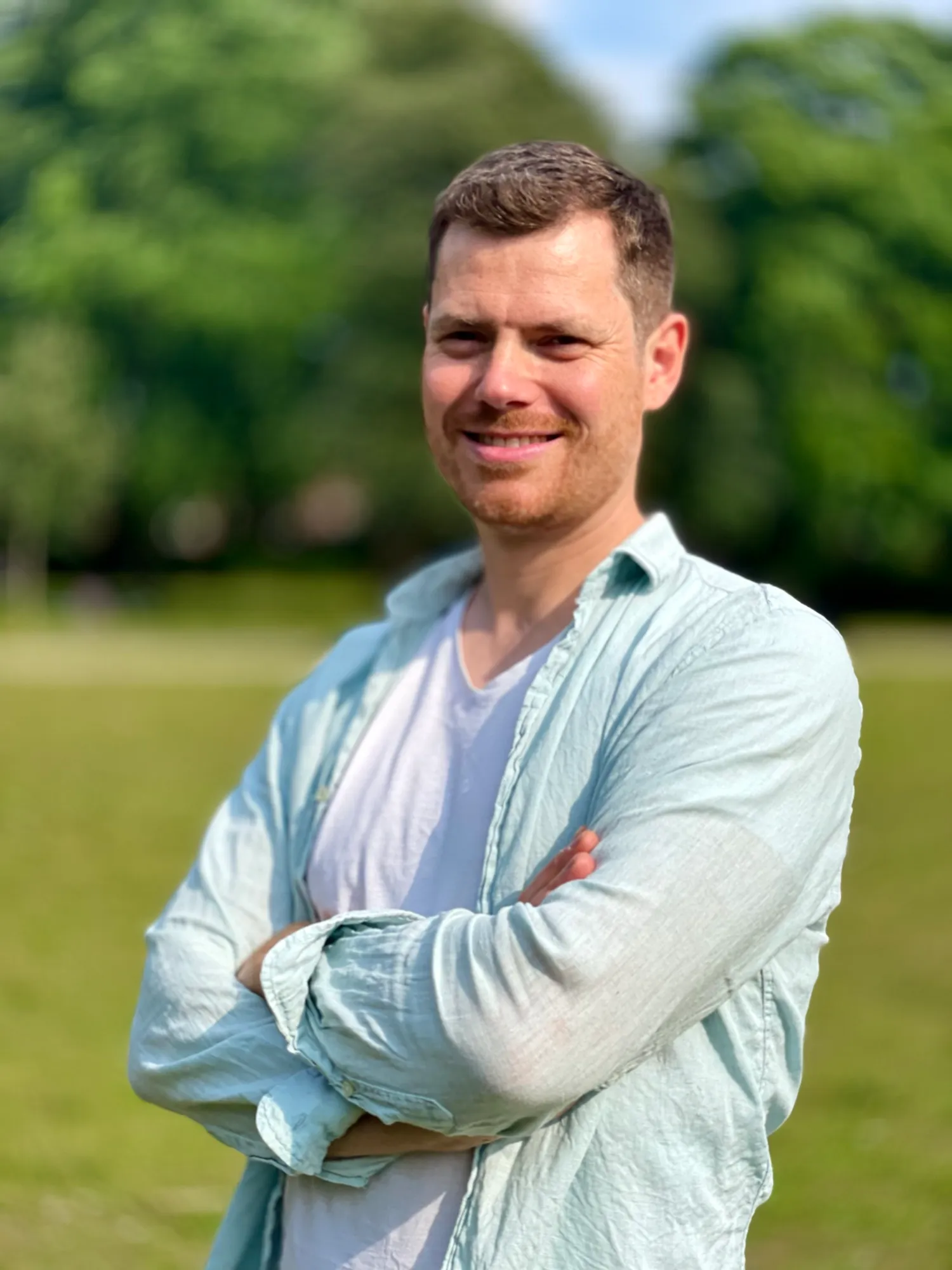
From the plant to the studio.
I learned my craft in building automation, and at every station since I have done the same thing: understand systems, design them, and stay with them until they truly run.
Systems designed, programmed and fully commissioned, faults tracked down until everything ran. This is where the hands-on comes from.
Mediating between project developers, tenants, general contractors and specialist planners, so that a genuinely intelligent building came out at the end. The tenants we built for:AmazonVattenfallScout24Oracle
Since January 2023: innovations not merely thought through, but worked out and implemented, by now with AI as a fixed part of the work. Innovations worked on together with:Schneider ElectricSchindlerForvis MazarsSwecoKärcherZumtobel
Workflows, tools and AI infrastructure, designed and built myself, for people and organisations that genuinely want to work better with AI.
the turning point // late 2024
If you truly need systems, you learn to build good ones.
In late 2024 AI became genuinely usable for programming, and I felt it immediately: this is the assistant I had been waiting for. I have always needed systems in order to function well. Without clear structures and routines I lose the overview fast. That sounds like a limitation. In fact it has made me a passionate system architect.
On top of that comes hyperfocus: when something really interests me, I go deeper than others. With AI that was true from day one. Since then I have written my own software, built my own infrastructure, developed my own platform and carried that approach into the foundation's work. With the result that today we manage, with a fraction of the effort, things that used to take us days.
Because nobody explains how to really delegate.
The methods I developed for myself are not complicated, but they are not obvious either. Most people sit down at AI tools and type away, because nobody has explained to them how to use AI as a precise instrument rather than a wheel of fortune. That is what I wanted to change, by showing it, building it and explaining it, hands-on, the way I have always worked.
What came of it is listed under Services: training, workflow optimization, custom software and local AI infrastructure, tailored to companies, skilled trades and individuals. The work happens alternately out of Berlin and Kiel, with Hamburg in between.
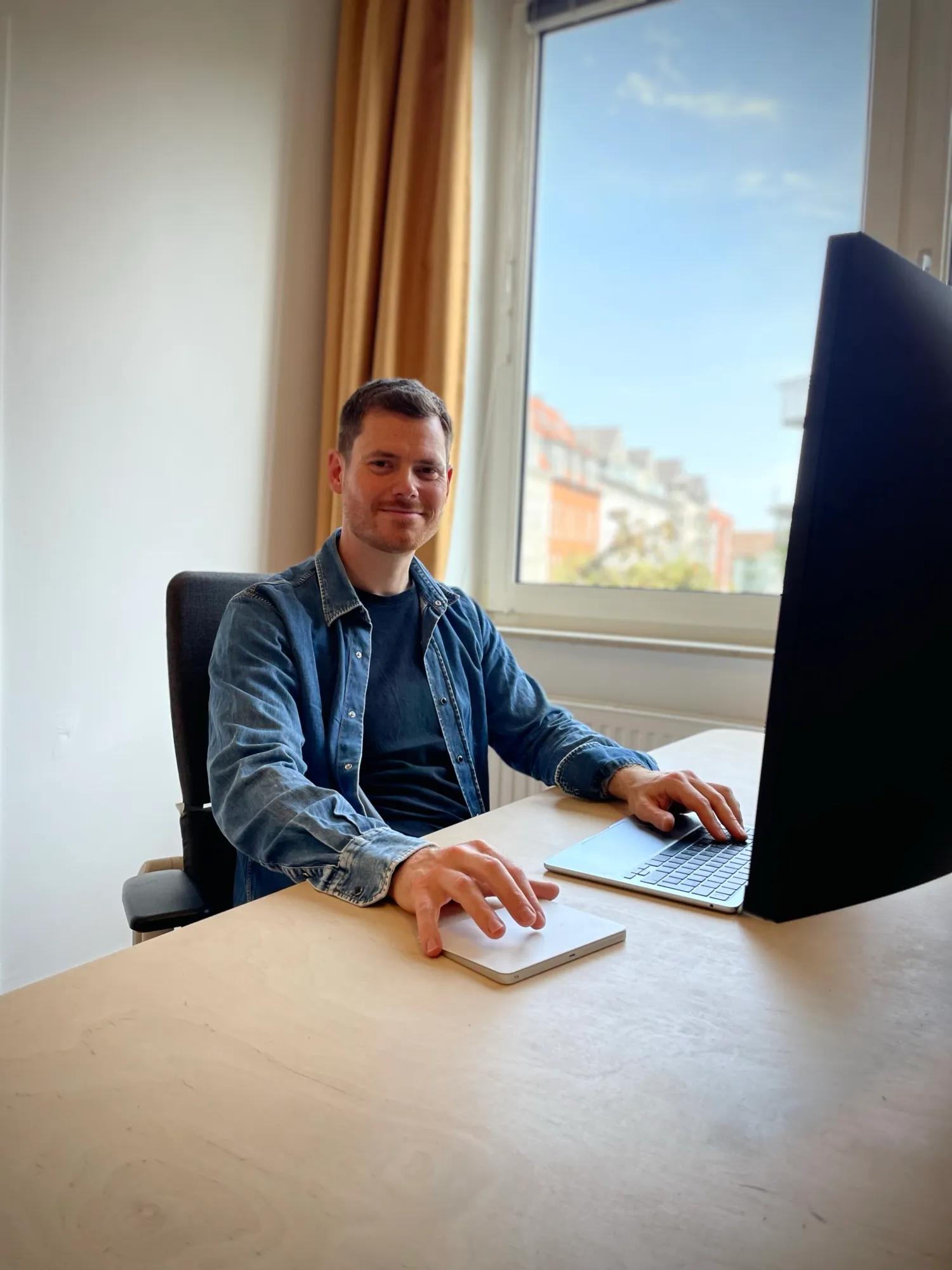
Three ground rules, no exceptions.
Design it and build it myself.
No 40-page concept that ends up in a drawer. I work close to my clients' reality, for as long as it takes until the solution truly runs.
Human expertise first.
Good systems rest on what people genuinely know and can do, not on what AI makes up by itself. That is why I always start there. AI comes afterwards.
Automation serves people.
Not the other way round. If a workflow gives energy and is fun, I don't automate it.
The three principles behind every workflow
Human-Architected Schemas, Active Friction and the Director Reframe: the method behind everything werkflow.studio builds.
To the method →Sounds like a conversation worth having?
Then I'd be glad to have it. Fifteen minutes, open and with no obligation.